Emergence of Structure
Structure does not exist by default. It appears when a system is forced to repeat without collapsing.
We tend to think of the world as made of things — objects that persist through time. But what if nothing truly holds? What if stability is not given, but continuously rebuilt?
The following simulations explore a different perspective: a world not made of objects, but of processes repeating under constraint. No particles, no predefined forces — only a dynamic flux evolving locally.
Model Overview
The system is defined on a discrete grid where each cell evolves according to local interactions with its neighbors, a temporal memory term, and nonlinear update rules.
Different regimes are explored by selectively activating or removing key components: diffusion, memory, constraint, and directional asymmetry. This allows direct observation of the conditions under which structure emerges or disappears.
Diffusion Regime
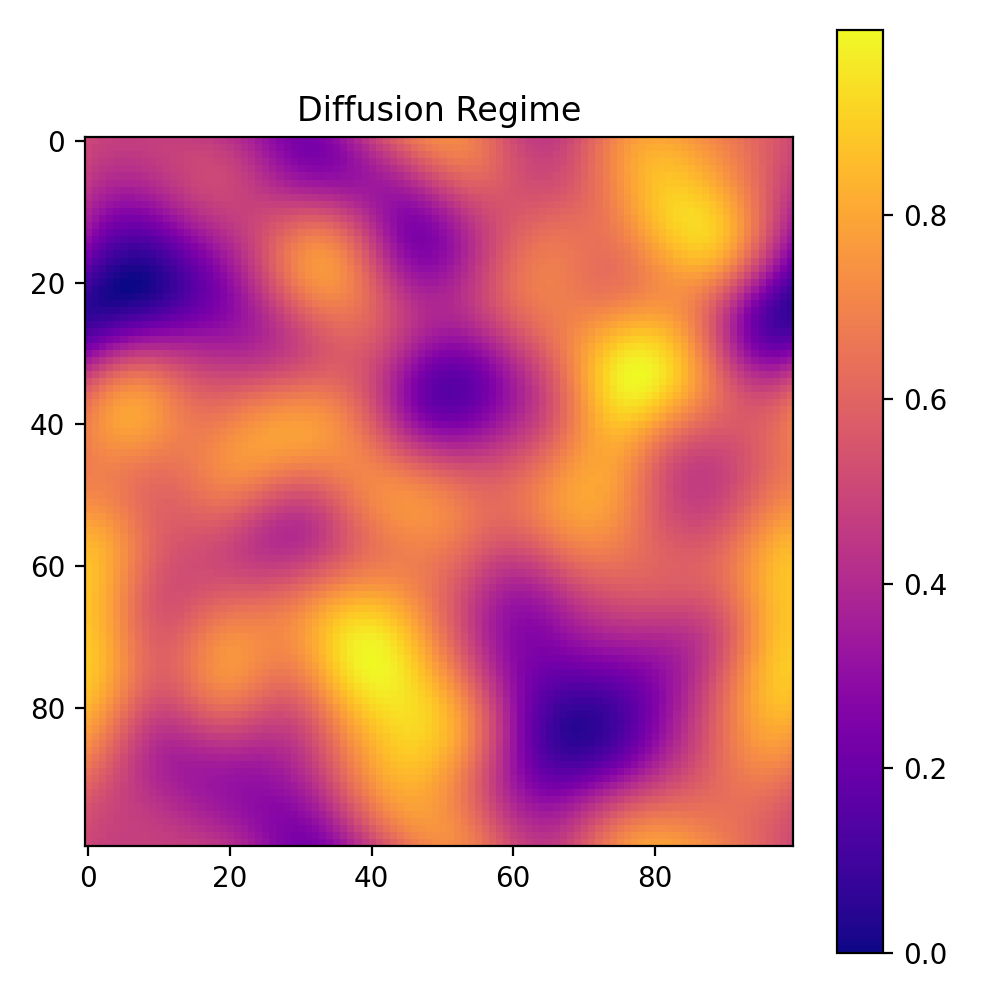
In the absence of memory and constraint, the system relaxes toward smooth gradients. No persistent structure emerges.
Correlation-like Behavior
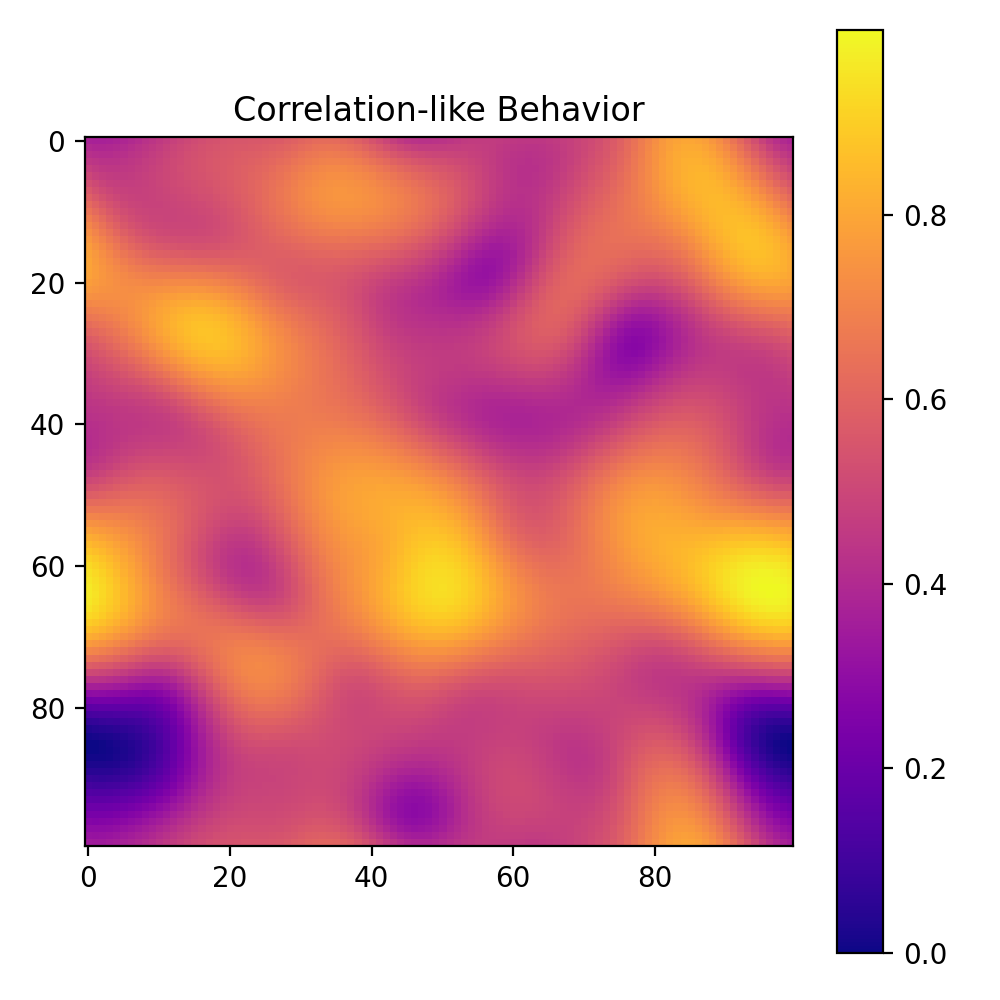
Introducing temporal memory creates local coherence. Structures begin to emerge from repeated patterns across time.
Constrained Stable Regime
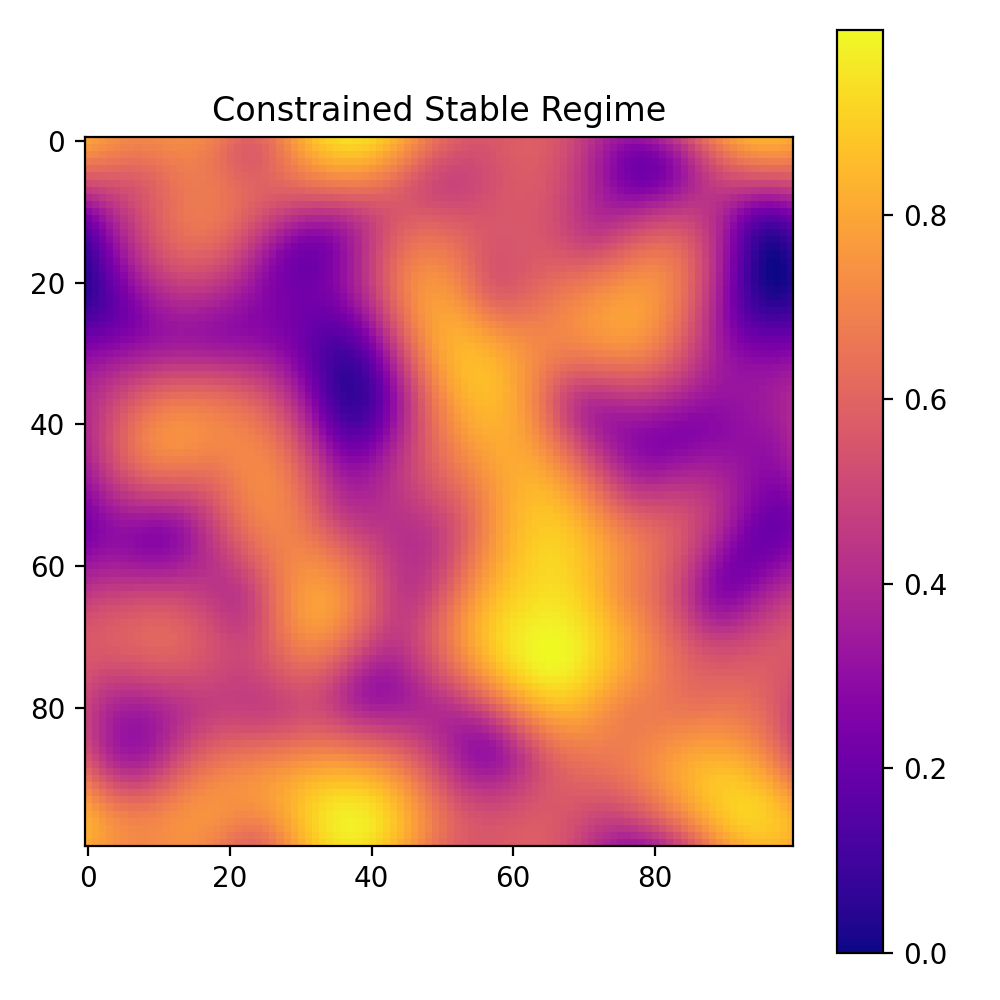
With constraint, structures stabilize and persist. Stability arises from limitation rather than equilibrium.
Rotational Dynamics
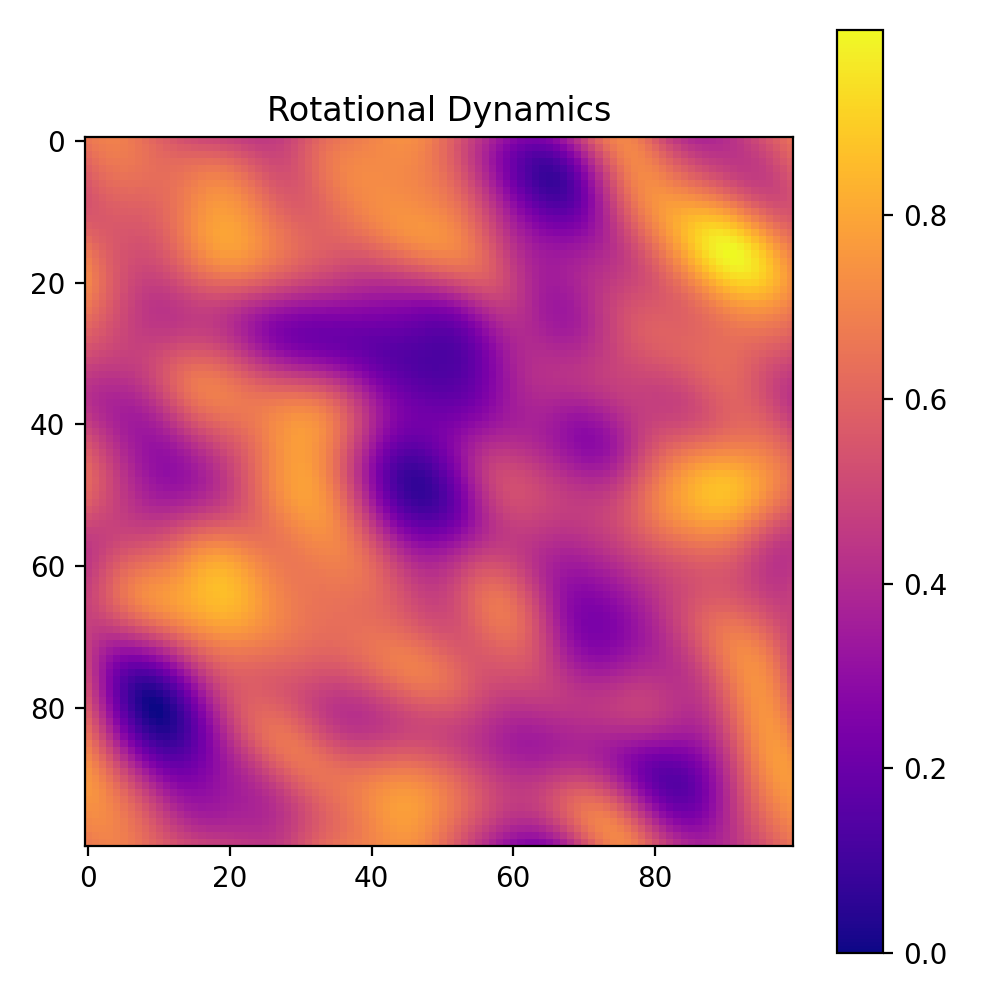
Directional asymmetry produces rotational structures. Rotation appears as a resolution of constrained flow.
Nonlinear Without Constraint
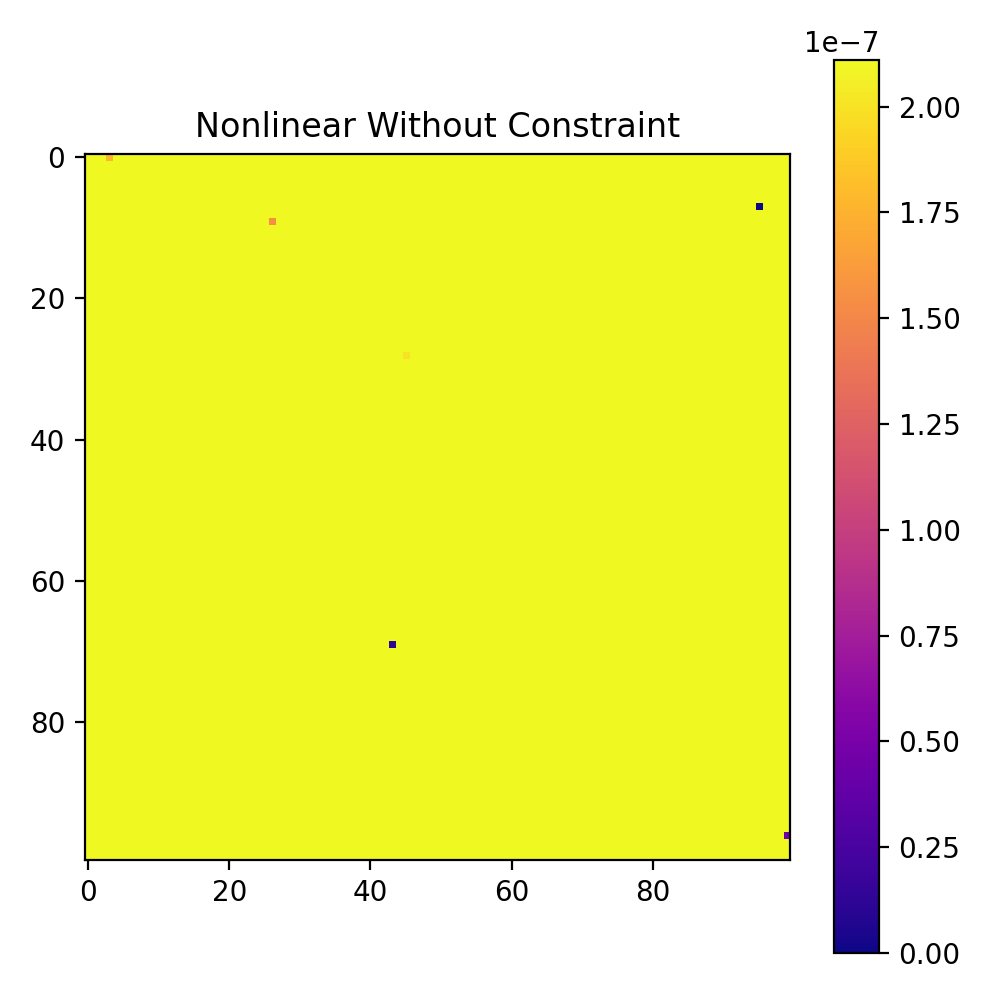
Nonlinearity alone leads to saturation and loss of structure. Constraint is required to maintain organization.
Interpretation
These results suggest that structure is not a fundamental property of matter, but a dynamic outcome of repetition under constraint.
Without constraint, systems collapse into uniformity. Without repetition, nothing persists. Stability emerges only when both are present.
This points toward a view of reality where what we perceive as “objects” are in fact stable patterns of activity — processes that succeed in repeating themselves.